
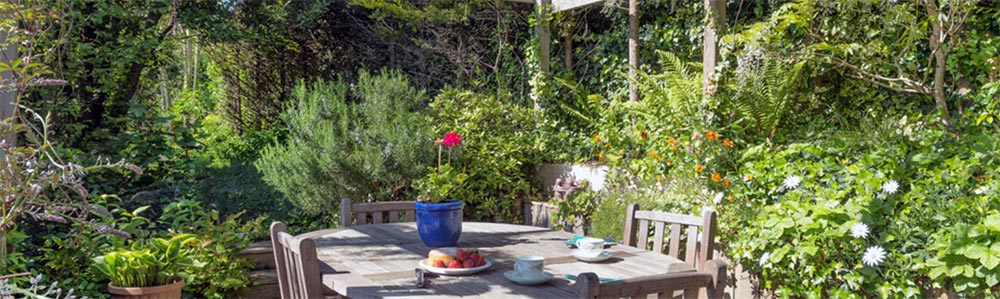
JennyGarden.com...Directory of names of various types of herbal plants growing in Jenny's Garden with images and gardening descriptions
|
|
Herbs Division |
|
| Names of various types of herbal plants growing in Jenny's Garden - |
| Achillea millefolium (Milfoil, Sanguinary, Soldier's Woundwort, Staunchweed, Thousandleaf, Yarrow) |
| Achillea millefolium 'Summer Berries' (Milform, Sanguinary, Soldier's Woundwort, Staunchweed, Thousandleaf, Yarrow) |
|
Achillea 'Moonshine' (Greek Yarrow, Achillea taygetea) |
|
Aconitum napellus 'Newry Blue' (Friar's Cap, Helmet Flower, Monkshood, Soldier's Cap, Wolfsbane) |
|
Agastache 'Cana' (Hummingbird Mint, Mosquito Plant, Wild Hyssop) |
| Agastache 'Black Adder' (Anise hyssop, Licorice Mint) |
| Agastache foeniculum (Anise hyssop, Licorice Mint, Agastache anisata, Stachys foeniculum) |
| Agastache foeniculum 'Golden Jubilee' (Anise hyssop, Licorice Mint, Agastache anisata, Stachys foeniculum) |
| Agastache rugosa (Korean Hyssop) |
| Agastache rupestris 'Root Beer' (Agastache, Hyssop) |
| Alcea rosea var 'Nigra' (Black Hollyhock, Alcea rosea Nigra)...Origin: Mediterranean Light: Full sun-part shade Height: Can reach 8' or more Spacing: 2-3' Blooms: Floriferous, gorgeous, 4-5"across, deep purple/near black with pale yellow throat , Spring-Fall Foliage: Herbaceous, heart-shaped, fuzzy-textured, green Soil: Well-drained Water: Regular Uses: Mass planting, against the wall, along a fence, cottage garden, cut flowers Propagation: Seeds Comments: Alcea rosea var 'Nigra' is a breathtaking tall and stately looking herbal annual/binennial with an erect growth habit. From Spring to Fall, it produces as many as 20 stunningly beautiful large blossoms at any one time; they are of a unique, almost black in color. The blossoms of this tradtitional Mediterranean plant are a nectar source for the hummingbirds. After the flowers are dried, many seeds can be found inside each large rounded seedpod. The dried blossoms are used as a dye for wood, to add color to wine and as a herbal tea to help soothe throat irritation; they are also used in potpourri. The seeds of Alcea rosea Nigra are easily propagated in the Fall and sown directly in the sunny to part shade garden; leave some spent flowers on the plant and allow them to self sow to create a cottage garden the next season. Alcea rosea var Black Hollyhock is maintenance free and really look spectacular planted en masse along a fence or against a white wall. These majestic looking plants are deer-resistant and they make excellent background plants. Protect plants from wind and frost. USDA Hardiness Zones: 2-10 |
| Allium sativum ophoscorodon (Hardneck Garlic, Rocambole, Variegated Serpent Garlic) |
| Alonsoa warscewiczi 'Pink Beauty' (Alonsoa)...Origin: Native of Peru Light: Full sun Height: 3' Blooms: Pink, in Summer Comments: Alonsoa warscewiczi 'Pink Beauty' is an awesome looking annual for the bedding or border. It can also be container cultivated for the deck or patio. Grow Alonsoa warscewiczi 'Pink Beauty' en masses for a terrific display at blooming season. It is easily propagated from seeds and is a sun-loving annual. |
| Amaranthus tricolor 'Perfecta' (Chinese Spinach, Een Choy, Joseph's Coat, Summer Poinsettia, Vegetable Amaranth) |
| Anemopsis californica (Lizard Tail, Yerba mansa) |
| Angelica gigas (Korean Angelica, Purple Angelica) |
| Aralia californica (American Spikenard, Aralia racemosa, California Ginseng, California Spikenard, Elk Clover, Western Aralia, Western Spikenard)...Family: Araliaceae (Ginseng)...Origin: Native ot North America Blooms: Pink racemes, terminal Folaige: Green, elongated Fruits: Red berries Comments: Aralia californica is a perennial shrub grown mainly for its fragrant root or rhizome. This Indian plant has many uses. The native Americans still use it in traditional medicinal both for external and internal uses. It is used as a herbal tea for backache, asthma, expectorant, diurectic and others; it is known to be a calminative and a sedative. Topically, in poultice form, it is used for rashes, bruises and ear infections. The root is edible and is cooked for food and used to make drinks like traditional rootbeer and wine. |
|
Arctium Lappa (Beggar's Button, Burdock, Cockle Buttons, Clot Bur, Fox's Clote, Grote Klit, Happy Major, Lappa, Love Leaves, Personata, Philanthropium, Thorny Burr) |
| Artemesia Vulgaris 'Janlim' Oriental Limelight (Oriental Limelight, Variegated Mugwort, Variegated Woodworm) |
| Asarum canadense (Canadian Snakeroot, Canadian wildginger, Little Brown Buckets) |
|
Asclepias arenaria (Sand Milkweed)...Family: Asclepiadaceae Origin: Native to U.S. Light: Full sun Height: 3' Blooms: 3" Greenish-pink, terminal cluster, Summer Foliage: Green with fine hair, has a distinct e midrib, veined Soil: Dry, sandy Water: Minimal Propagation: Seeds Uses: Perennial bed, container, mass planting Comments: Asclepias arenaria is a perennial herb with an erect growth habit. The lovely greenish-pink blossoms attract butterflies. Sand Milkweed is propagated from seeds and thrives in full sun but can also tolerate some shade. USDA Zones: 4-11 |
| Asclepias asperula (Antelpoe Horns, Spider Milkweed) |
|
Asclepias cancellata (Cape Milkweed)...Origin: South Africa Light: Full sun Height: 2-3' Bloooms: Lavender and cream Seedpods: Large Soil: Well-drained Water: Regular, allow soil to nearly dry between waterings Propagation: Seeds Uses: Perennial bed/border, butterfly garden Comments: Asclepias cancellata is a frost tender perennial. It can be easily grown from seeds planted directly outdoors in Spring or Summer or propagate seeds indoors for an early start at a depth of 1/8" in peat moss with sand and perlite added. Germination usually takes about 2 weeks; keep moist. Transplant when seedlings reach 6". Cape Milkweed is grown as an annual in areas with cold Winters. Asclepias cancellata is a host plant for Monarch butterflies. Fertilize every month with a well-balance fertilizer for optimal growth. |
|
Asclepias cordifolia (Heart-leaf Milkweed, Purple Milkweed)...Origin: Native to California, Oregon and Nevada Light: Full sun Height: 2-3' Blooms: Purple Folaige: Green, heart-shaped, opposite, large Seedpod: Lare flat seeds with soft feathery hairs which help them disperse Uses: Rock garden, woodland setting, mass planting Comments: Asclepias cordifolia is a perennial herb. It can be easily grown from seeds planted directly outdoors in Spring; stratify them before planting by placing seeds in an airtight bag with some moist sand in it and place bag in refreigerator for about 2 months then remove and germinate seeds at a depth of 1/8" in peat moss with sand and perlite added. Germination usually takes about 2 weeks; keep moist. Transplant when seedlings reach 6". Fertilize every month with a well-balance fertilizer for optimal growth. For an early start, germinate them indoors in the Fall. Heart-leaf Milkweed thrives its best at higher elevations. The Monarch butterflies feast on the leaves. Native American Indians use the dried stems for ropes. Asclepias cordifolia was also popularly used in folklore medicine for the treatment of snake bites and also as a contraceptive for women. |
| Asclepias curassivica (Scarlet Milkweed, Butterfly Weed, Blood Flower, Mexican Milkweed, Swallow-wort, Aurea) |
|
Asclepias curassavica 'Silky Gold' (Yellow Milkweed, Butterfly Weed, Blood Flower, Mexican Milkweed, Swallow-wort, Aurea) |
|
Asclepias curassivica 'Silky Deep Red' (Silky Deep Red Butterfly Weed)...Height: 3' Spacing: 1' Blooms: Umbels of deep red and orange flowerhead, Summer-frost Propagation: Seeds (Sow directly into beds, cover lightly) Comments: Ideal temperature is 70-85 degrees F. Plant is irristible to butterflies. |
|
Asclepias fascicularis (Narrowleaf Milkweed)...Origin: Native to Western U.S. Light: Full sun Height: 2-4' Bloooms: White and pink Foliage, green, narrow Seedpods: Slender Soil: Well-drained Water: Regular, allow soil to nearly dry between waterings Propagation: Seeds Uses: Perennial bed/border, butterfly garden Comments: Asclepias fascicularis is a hardy perennial Narrowleaf Milkweed grows easily from seed sown directly outdoors onto ground in the Fall; if sown in Spring or Summer, stratify them before planting by placing seeds in an airtight bag with some moist sand in it and place bag in refreigerator for about 2 months then remove and germinate seeds at a depth of 1/8" in peat moss with sand and perlite added. Germination usually takes about 2 weeks; keep moist. Transplant when seedlings reach 6". Asclepias fascicularis is a host plant for Monarch butterflies. Fertilize every month with a well-balance fertilizer for optimal growth. |
|
Asclepias fruticosa (Swan Plant)...Origin: South Africa Light: Full sun Height: 5-6' Bloooms: White Seedpods: Inflated Soil: Well-drained Water: Regular, allow soil to nearly dry between waterings Propagation: Seeds Uses: Back of the border perennial, butterfly garden Comments: Asclepias fruticosa is a frost sensitive perennial. It bears beautiful white blossoms which matures into inflated seedpods. The seeds propagates easily when sown directly onto ground in Spring. For an early start, germinate seeds indoors at a depth of 1/8" in peat moss with sand and perlite added. Germination usually takes about 2 weeks; keep moist. Swan Plant is grown as an annual in colder areas. Asclepias fruticosa is a host plant for Monarch butterflies. Fertilize every month with a well-balance fertilizer for optimal growth. |
|
Asclepias hallii (Hall's Milkweed) |
|
Asclepias hirtella (Tall Green Milkweed) |
|
Asclepias incarnata (Milkmaid Butterfly Weed)...Height: 4' Spacing: 1-2' Blooms: Flat umbels, pure white, long stems, Summer Uses: Perennial bedding, container, cut flower Propagation: Seeds (Sow directly into beds, cover lightly) Comments: Ideal temperature is 70-85 degrees F. |
|
Asclepias incarnata (Rose Milkweed, Moon Plant)... Origin: Native of North America. Light: Full sun Height: 4' Spread: 2' Blooms: 3.5" across, vanilla-scented, large clusters rosy-pink Seedpods: Opens when ripe with many fluffy seeds, late Summer Soil: Well-drained, sandy, clayey, preferably moist Water: Moderate Uses: Cut flowers (Cuttings will last for at least a week if cut ends are seared with flame), ornamental seedpods, butterfly garden, mass planting Propagation: Seeds (Germinates best at room temperature of at least 68F/2 C) Insects/Disease: Watch for aphids (Easily sprayed off with water hose) Caution: White plant latex may cause skin irritation - wear gloves. Comments: Rose Milkweed is an exquisite perennial that attracts hummingbirds, sphinx moth and butterflies especially fritillaris and grey hairstreak; the Monarch caterpillars feed on this plant. American Indians used this plant as a diuretic. This plant is poisonous to sheep. Dried buds can be stored and cooked as peas. Moon Plant is deer resistant. It is easily propagated from seeds by placing them on moist paper towel in a baggie and placed in refrigerator for 1 month or sow seeds directly into ground in the Fall. Rose Milkweed is commonly found in wetlands, ditches, by ponds; it can also be cultivated in a sunny perennial bed. Plant them en masse for a wonderful fragrant and dramatic looking butterfly garden. USDA Zones: 3-9 |
|
Asclepias incarnata 'Cinderella' (Swamp Milkweed) |
|
Asclepias incarnata 'Ice Ballet' (Ice Ballet Swamp Milkweed)...Perennial, sow outdoors in Fall/Winter. Barely cover seeds with soil. |
|
Asclepias incarnata ssp pulchra (Pulchra Swamp Milkweed) |
|
Asclepias nivea (White Milkweed, Almond-leaved Milkweed, Snow-white Asclepias) |
|
Asclepias physocarpa (Balloon Plant, Balloon Cotton-Bush, Balloonplant, Swan Plant, Family Jewels Milkweed Tree, Gomphocarpus physocarpa). |
|
Asclepias purpurascens (Eastern Purple Milkweed) |
|
Asclepias speciosa (Showy Milkweed, Asclepias giffordii) |
|
Asclepias speciosa 'Davis' (Davis Showy Milkweed)...Origin: Native to California Light: Full sun Height: 3-5' Blooms: Fragrant, pink and white, star-shaped Seedpod: Large Soil: Well-drained Water: Regular, allow soil to nearly dry between waterings Propagation: Seeds Uses: Back of the border perennial, butterfly garden Comments: Asclepias speciosa 'Davis' is a hardy perennial. It bears beautiful fragrant pink and white star-shaped flowers that attract many butterflies. The flowers mature into large seed pods. Davis Showy Milkweed is easy to grow from seeds sown directly outdoors in the Fall; if sown in Spring or Summer, stratify them before planting by placing seeds in an airtight bag with some moist sand in it and place bag in refreigerator for about 2 months then remove and germinate seeds at a depth of 1/8" in peat moss with sand and perlite added. Germination usually takes about 2 weeks; keep moist. Transplant when seedlings reach 6". Asclepias speciosa 'Davis' is a host plant for Monarch butterflies. Fertilize every month with a well-balance fertilizer for optimal growth. |
|
Asclepias syriaca (Common Milkweed, Common Silkweed, Common Silkgrass, Virginia Silk) |
|
Asclepias tuberosa (Butterfly Weed, Orange Glory Flower) |
|
Asclepias tuberosa 'Hello Yellow' (Yellow Butterfly Weed, Yellow Milkweed) |
|
Asclepias tuberosa (Gay Butterflies)...Height: 3' Blooms: 6", vibrant colors of bronze, orange, red, yellow, Summer Propagation: Seeds (Sow directly into bed, do not cover) Soil: Well-drained Water: Regular Comments: Asclepias tuberosa is a butterfly-attracting perennial. It is heat and drought tolerant. Ideal temperature for growing Gay Butterflies is 70 degrees F. |
|
Asclepias verticillata (Whorled Milkweed)...Origin: Native to Eastern U.S. Light: Full sun Height: 1-2' Blooms: White and pink Seedpods: Slender Propagation: Seeds (Stratify for Spring planting) Soil: Well-drained, allow to dry between waterings. Water:: Regular, increase in Summer Comments: Asclepias verticillata is a perennial plant that attracts butterflies. In Summer it produces beautiful white and pink nectar-rich flowers. fertilixe monthly with well-balanced fertilizerfor optimal growth. |
| Asperula orientalis (Blue Woodruff) |
|
Baptisia australis (Blue False Indigo, Blue Wild Indigo, Horse Fly Weed, Indigo Weed, Rattlebush, Rattleweed) |
|
Baptisia leucantha (Baptisia alba, White False Indigo) |
| Basilicum ocimum 'Sweet Genovese' (Basil 'Sweet Genovese') |
| Basilicum ocimum Cinnamon (Cinnamon basil) |
| Belamcanda chinensis (Blackberry Lily, Leopard Lily, Ixia Chinensis, Germmingia chinensis) |
|
Belamcanda chinensis 'Freckle Face' (Blackberry Lily, Leopard Lily) |
|
Belamcanda chinenses 'Hello Yellow' (Blackberry Lily, Leopard Lily) |
| Boehmeria cylindrica (Bog Hemp, False Nettle) |
|
Brassica oleracea palmifolia (Giant Jersey Kale, Palm Tree Kale, Walking Stick Cabbage) |
| Bulbine bulbosa (Bulbine Lily, Golden Lily) |
| Bulbine frutescens (Cat's Tail, Orange African Bulbine, Rankkopieva, Snake Flower, Stalked Bulbine, Bulbine caudescens ) |
| Bulbine frutescens 'Shorty' (Shorty Yellow Bulbine) |
| Calamintha grandiflora variegata (Variegated Calamint, Variegated Catmint) |
| Castilleja coccinea (Indian Paintbrush) |
| Centaurea jacea (Brown Knapweed, Brownray Knapweed, Jacea Pratensis) |
| Centaurea phrygia (Wig knapweed)...Family: Asteracea (Aster) Light: Sun-part shade Height: 2-4' Spacing: 12-15" Blooms: 2" across, violet, have long appendages, wig-like, in late Spring or early Summer Foliage: Green, herbaceous, 6" basal Soil: Not picky Water: Average Propagation: Seeds (Germinates in 1-4 weeks), rootball divisions Uses: Accent, back-of-the-border, perennial bedding, mass planting, meadow setting Comments: Centaurea phrygia or Wig knapweed is a perennial herb with interesting violet-lavendar flowerheads. These unique-looking blossoms look like wigs hence the common name; they are butterfly and bee attractors. Centaurea phrygia are easily propagated from seeds and they make wonderful back-of-the-border perennial plants. Grow them en masse in the medow-like setting so you'll have enough to make a lovely long lasting houquet. Centaurea phrygia are attractive and they make desirable accent plants for the patio or deck. Trim spent Wig knapweed flowers to promote more blooms otherwise leave them on the plant and you will have many plants next season. These plants are low maintenance and are drought tolerant. USDA Zones: 4-9 |
| Cichorium intybus (Blue Sailors, Chicory, Coffeeweed, French Endive, Italian Dandelion, Succory) |
| Cimicifuga racemosa (Actea racemosa, Black Bugbane, Black Cohosh, Black Snakeroot) |
| Codonopsis lanceolata Traut (Lance Asia Bell, Asia Yang Yu) |
| Codonopsis pilosula (Dang Shen, False Ginseng, Poor Man's Ginseng) |
| Coreopsis tinctura (Caliopsis, Plain Coreopsis, Golden Tickseed, Painted Tickseed, Swamp Tickseed, Coreopsis cardaminefolia, Coreopsis stenphylla or Coreopsis tinctura imminuta) |
| Cymbopogon Citrates (West Indian, Citronella Grass, Thai Lemon Grass, Sereh, Campin-cidrao, Fever Tea) |
| Daucus carota (Queen Anne's Lace, Wild Carrot, Daucus carota var. carota) |
| Delphinium glaucum (Giant Larkspur, Glaucus Larkspur) |
| Dictamnus albus 'Purpureus' (Burning Bush, Dictamnus fraxinella, Pink Gas Plant, Dittany) |
| Diplacus aurantiacus (Orange Bush Monkeyflower, Sticky Monkey Flower, Diplacus glutinosus, Mimulus aurantiacus, Mimulus glutinosus)...Origin: Native to southwestern U.S. Light: Sun-part shade Height: 3' Spacing: 3' Blooms: Prolific, various lovely shades of white, yellow, red and orange, late Spring Foliage: Deep green, sticky Soil: Well-drained, not picky, drought tolerant Water: Low Propagation: Seeds, cuttings Comments: An impressive subshrub with an erect growth habit. Nectar rich blossoms are magnets to hummingbirds and bees. In its native habitat, it is found growing in mountain slopes. Trim for a compact growth. It is deer resistant. It has antiseptic properties and is a medicinal plant to the native Americans for the treatment of different types of ailments, especially burns. USDA Zones: 9-11 |
| Echinacea 'Art's Pride' (Coneflower) |
| Echinacea 'Coconut Lime' (Coneflower) |
| Echinacea'Mango Meadowbrite' (Coneflower) |
| Echinacea pallida (Pale Coneflower, Pink Coneflower, Tall Coneflower, Brauneria pallida, Rudbeckia pallida) |
| Echinacea paradoxa (Ozark Coneflower, Yellow Coneflower, Brauneria paradoxa) |
| Echinacea purpurea (Purple Coneflower) |
| Echinacea purpurea 'Baby Swan White' (Dwarf White Coneflower)... Light: Full sun/part shade Height: 2' Bloom: Fragrant, 5" across, floriferous, white petals with yellow central cones, in Summer Foliage: Green, lance-shaped Soil: Well-drained, loamy Comments: Echinacea purpurea 'Baby Swan White' is a dwarf perennial with a clumping growth habit. In Summer, it bears abundant scented charming white blossoms that are 5' across with yellow central cones. Dwarf White Coneflower is easily propagated from seeds and thrive well in full sun or part shade. Plant them en masse in the front of perennial bed or border for a dramatic effect. Echinacea purpurea 'Baby Swan White' are hardy plants. Uses: Front of border/perennial bed, containers, mass plantings USDA Zones: 3-9 |
| Echinacea purpurea 'Double Delight' (Double Purple Coneflower, Eastern Purple Coneflower, Purple Coneflower) |
| Echinacea purpurea 'Doppelganger' (Double Purple Coneflower. Eastern Purple Coneflower, Doppelganger, Double Decker) |
| Echinacea purpurea 'Jade' (Coneflower) |
| Echinacea purpurea 'Magnus' (Eastern Coneflower, Purple Coneflower, Brauneria purpurea, Rudbeckia purpurea) |
| Echinacea purpurea 'Meringue' (Coneflower) |
| Echinacea purpurea 'White Swan' (White Coneflower) |
| Echinacea 'Sundown' (Coneflower) |
| Echinacea tennesseensis (Tennessee Coneflower, Tennessee Purple Coneflower,Brauneria tennesseensis) |
| Ephedra sinica (Ephedra, Ma Huang) |
| Eryngium yuccifolium (Button Snakeroot, Rattlesnake Master) |
| Erythrina herbacea (Cardinal Spear, Cherokee Bean, Coral Bean, Red Cardinal)...Family: Fabaceae Light: Sun-part shade Height: 4-5' Spacing: 4' Blooms: Foot-long spike of red tubular flowers, long blooming, late Winter/early Spring Foliage: Deep green Seedpod: Encapsulated coral, bean-like seeds inside Soil: Well-drained, drought tolerant when established Water: Regular Uses: Back of perennial bed/border Propagation: Seeds (Sow indoor before last frost), cuttings Caution: Seeds are poisonous, not edible. Plant is thorny - wear gloves Comments: Erythrina herbacea is a perennial herbal shrub with a large woody root. It has smooth yellow bark and long green leaves. In late Winter or early Spring it bears beautiful long stalk of nectar-rich, striking red tubular blossoms which are magnets to hummingbirds and bees. The seeds are bean-like and coral in color, hence one of its common names, Coral Bean; they propagate easily and thrive well in the sunny to part shade landscape. Frost will kill Cardinal Spear to the ground but it will return the next season with a much stronger growth. Cherokee Bean is tolerant of drought and salt. It self-sows so deadhead spent flowers if you do not wish to have any volunteer plants next year. The various parts of the plant like the leaves, bark, seeds and roots have medicinal values and have been used by the native American Indians to treat vaious ailments. Red Cardinal makes a lovely specimen plant and look very ornamental in the perennial landscape. This hummingbird's delight is a terrific traffic stopper. USDA Zones: 7b-10 |
| Eupatorium cannabinum (Agu weed, Hemp-agrimony, Raspberry and Cream, St John's Herb, Thoroughwort)...Family: Asteraceae (Aster) Light: Part sun/part shade Height: 4-6' Spacing: 4-6' Blooms: Pinkish-purple flat flowerhead Foliage: Green, lance-shaped, smooth, serrated edges Uses: Borders Comments: Eupatorium cannabinum is a tall perennial herbal plant with a bushy growth habit. It has a woody rootstock. USDA Zones: 5-9 |
| Eupatorium fistulosum (Hollow Joe Pye Weed, Queen-of-the-Meadow, Trumpetweed, Eupatoriadelphus fistulosus) |
| Eupatorium maculatum (Joe Pye Weed ' Little Joe') |
| Eupatorium purpureum (Sweet Joe Pye Weed, Eupatoriadelphus purpureus, Eupatorium falcatum, Eupatorium purpureum var. amoenum, Eupatorium trifoliatum) |
| Fumaria officinalis (Earth Sweet, Fumitory, Hedge Fumitory, Wax Dolls) |
| Galium odoratum (Sweet Woodruff, formerly Asperula odorata) |
| Geum canadense (White Avens) |
| Hexastylis arifolia (Heartleaf Ginger) |
| Houttuynia cordata 'Chameleon' (Chameleon Plant) |
| Hypericum perforatum (Goat Weed, Hypericum, Klamath Weed, Rosin Rose, Spotted St John's Wort, Touch-and-heal) |
|
Indigofera decora (Chinese Indigo, Indigofera incarnata) |
| Illicium verum (Ba Jiao Hui Xian, Chinese Star Anise) |
| Kaempferia galanga (Lesser Galanga or Aromatic Ginger, Sand Ginger or Resurrection Lily or Galanga or Maraba Plant) |
| Laurel nobilis (Bay Laurel) |
| Leonotis leonurus (Lion's Ear, Lion's Tail, Wild Dagga, Phlomis leonurus) |
| Lobelia cardinalis (Red Cardinal Flower, Lobelia fulgens, Lobelia speciosa, Lobelia splendens) |
| Lycium babarum (Chinese Wolfberry, Duke of Argyll's Tea Tree, Goji Berry, Gou Qi Zi, Matrimony Vine, Lycium Chinese, Lycium halimifolium, Lycium vulgare) |
| Lycium chinense (Chinese Boxthorn, Chinese Matrimony, Chinese Tea Plant, Common Box Thorn, Matrimony Vine) |
| Malva verticillata L (Asian Mallow, Chinese Mallow, Cluster Mallow)...Blooms: 5-petaled pink or white flowers Foliage: green, alternate, palmately lobed Propagation: Seeds (Sow directly in Spring) Comments: Malva verticillata is a herbal plant that have been grown by the Chinese for many years for its traditional medicinal properties. This plant is a food source for the Skipper butterflies and moths. The young leaves and flowers have a mild pleasant taste and are used in salads. The older leaaves are cooked as a vegetable. The leaves are also brewed as a traditional tea drink for slimming and for colon cleansing. |
| Mandragora officinarum (Devil's Apple, Dudaim, Love's Apple, White Mandrake, Atropa mandragora, Mandragora officinalis)...Origin: Southern Europe Light: Part shade Height: 0.5-1' Spacing: 1.5-2' Blooms: Violet-lavender, white, in mid-Spring Foliage: Green, herbaceous, rubbery, flat rosette, wrinkled, lance-shaped with wavy edges Soil: Well-drained, sandy, loamy, clayey, acidic, rich Water: Low, water at base of plant, do not water leaves; allow to dry between waterings Propagation: Seeds, offset divisions Uses: Rock garden Caution: Fruits are poisonous - not edible Comments: Mandragora officinarum is a unique perennial herb with a long deep root. In mid-Spring, lovley white and violet-lavender blossoms appear from a flat rosette of green foliage. Devil's Apple can be propagated from root division or seeds and prefers the part shade area of the garden It can be container cultivated and it makes a lovely indoor plant. Atropa mandragora does not transplant well so plant it in a permanent location outside in rich sandy, loamy, clayey acidic soil. When watering, do not over-water or underwater as it will cause leaf-drop; water at base of plant. The root of Mandragora officinalis can some times be as long as 4'; it has anesthetic and aphrodisiac properties and had been used in folklore medicine to treat various ailments among which were asthma, wound healing, depression and in witchcraft to treat mental illness. USDA Hardiness Zones: 6-8 |
| Marrubium vulgare (Hoarhound, Horehound, Marrubium, Marvel, White Horehound) |
| Melissa officinalis (Balm Mint, Balm Plant, Blue Balm, Cure All, Garden Balm, Honey Plant, Lemon Balm, Melissa, Sweet Balm) |
| Melissa officinalis 'Variegata' (Variegated Lemon Balm)...Light: Part-full shade Height: 1-2' Folaige: In Spring, bright yellow matures to green in the Summertime Soil: Loamy, organic, well-drained Water: Regular Uses: Container, bedding Comments: A perennial herb popularly used in culinary. Also used as a medicine. USDA Hardiness Zones: 4-9 |
| Mentha arvensis (Common Mint, Corn Mint, Field Mint) |
| Mentha x piperita f citrata 'Chocolate' (Peppermint, Chocolate Mint) |
| Mentha pulegium (English Pennyroyal) |
| Mentha piperita (Peppermint, Mentha lavanduliodora) |
| Mentha spicata (Spearmint, English Mint) |
| Mentha suaveolens (Apple Mint, Woolly Mint) |
| Mesua feria (Ceylon Ironwood, Cobra's Safron, Indian Rose Chestnut, Mesua coromandalina, Mesua ferrea, Mesua roxburghii, Nagakesara, Nageshkar, Pokok Nahar, Nangu, Penaga Lilin) |
|
Micromeria fruticosa (Little Mint, Tea Hyssop, White-leaved Savory, Zaatar eraq, Zuta Lavana, Satureja fruiticosa)...Light: Full sun Height: 2 Spacing: 1' Blooms: Ornamental, whorls, tiny, pale blue-white, on spikes, Spring-Fall Foliage: Aromatic, silvery-white, small, slender Soil: Well-drained, drought tolerant Comments: Micromeria fruticosa is a perennial herbal shrub endemic to Israel and eastern Mediterannean. It is cultivated not only for its ornamental value but for its medicinal properties as well. The leaves of this dwarf evergreen tree contain important essentials oils and are used in medicine, culinary and beverages. In Israel, the leaves are brewed into a popular refreshing minty drink; a bread dip is made from a mixture of salt, olive oil and crushed leaves. In Turkey, the tea helps treat stomach ulcers. The leaves are also manufactured into a highly concentrated topical ointment commonly sold in the East. Always be cautious to read labels carefully, test for allergic reaction and consult a physician before using. |
| Monarda 'Cambridge Scarlet' (Bee Balm, Beebalm) |
| Monarda citriodora (Lemon Balm, Lemon Mint, Purple Horsemint, Bee Balm, Lemon Bee Balm) Light: Sun-part shade Height: 2-3' Spacing: 1.5-2' Blooms: aromatic, pink, lavender-violet Soil: Keep moist Propagation: Seeds Attracts hummingbirds, bees and butterflies Monarda citriodora is a rapid-growing perennial herb with pretty unusual flowers. USDA ardiness Zones: 5-9 |
| Monarda didyma (Beebalm, Bee Balm, Bergamot, Firecracker Plant, Oswega Tea) |
| Monarda didyma 'Snow White' (Bee Balm, Beebalm, Bergamot, Firecracker Plant, Oswego Tea, Schneewittchen) |
| Monarda fistulosa 'Claire Grace' (Pink Bee Balm, Wild Bergamot) |
|
Murraya koenigii (Curry Leaf Tree) |
| Nepeta Catmint...Full sun. Height: 1-3' Spacing: 1-4' Blooms: Purple, continuous, from early Summer to early Fall. Use in bed, border, hedges. Plant can be propagated by cuttings or divisions in Spring. Makes a good cut flower. Trim after flowering for 2nd blooms. |
| Ocimum basilicum (Lemon Basil)...Family: Lamiaceae Light: Full sun Height: 1.5-2' Spacing: 1-2' Blooms: White, in spikes, in mid-Summer Foliage: Aromatic, lemon-scented, bright green, edible, glossy, ovate Soil: Well-drained, sandy, clayey loam (pH: 5.5-7) Water: Regular Propagation: Seeds Comments: An annual bushy herb with an erect growth habit. This is a handy plant to have for the kitchen. The fresh leaves are popularly used in Intalian and Thai dishes especially salads and to flavor pesto, tomato dishes and chees omelets; excess leaves can be harvested and dried and stored for future use. Easily propagated from the lemon-scented seeds. Plant in rows in annual bedding after last frost. Pick young shoots to promeote more growth and delay blooms. Remove blossoms to conserve plant energy. USDA Zones: 9-11 |
| Ocimum sanctum (Holy Basil) |
| Oenothera biennis (Common Evening Primrose, Hoary Evening Primrose, Night Willow-herb, Oenothera acutifolia, Oenothera biennis var. pycnocarpa, Oenothera muricata, Oenothera pycnocarpa, Oenothera rubricaulis) |
| Orthosiphon Aristatus (Java Tea, White Cat's Whiskers, Purple Cat Whiskers) |
| Origanum vulgare (Oregano) |
| Pandanus amaryllifolius (Daun Pandan, Pandan Plant, PandanWangi, Screw pine, Screw Tree, Umbrella Tree, Pandanus odoratissimus, Pandanus odorus) |
| Pelargonium citrosum (Mosquito Plant, Citronella Plant, Deodorizer Plant, Citrosa Geranium) |
| Pelargonium 'Apple' (Scented Geranium) |
| Pelargonium 'Apricot' (Scented Geranium) |
| Pelargonium 'Cinnamon' (Scented Geranium) |
| Pelargonium citrosum 'Frosted' (Variegated Mosquito Plant) |
| Pelargonium crispum 'Lemon' (Lemon Crisp, Scented Geranium) |
| Pelargonium fragrans (Nutmeg Geranium, Sweet-leaved Geranium) |
| Pelargonium nervosum 'Torento' (Ginger-Scented Geranium) |
| Pelargonium sidoides (Klawerbossie, Rabassam, Umckaloabo) |
| Pelargonium tomentosum 'Chocolate Mint' (Peppermint-Scented Geranium) |
| Perilla frutescens 'Aoshiso' (Beefsteak Plant, Green Perilla, Shiso) |
| Perilla frutescens cv Crispa (Beefsteak Plant, Chinese Basil, Shiso, Purple Mint, Rattlesnake weed, Summer Coleus, Wild Red Basill) |
| Perscaria bistorta (Bistort, Dragonwort, Easter Ledges, Snake Weed, Polygonum bistorta) |
|
Phytolacca americana (American Pokeweed or Polk Sallet, Polk, Pokeweed, Red Inkberry, Phytolacca decandra) |
| Piper auritum (Root Beer Plant, Veracruz Pepper, Mexican Pepperleaf, False Kava, Hoja Santa) |
| Platycodon grandiflorus (Balloon Flower, Chinese Bellflower, Japanese Bellflower, Campanula glauca, Campanula grandiflora, Platycodon glaucus) |
| Plectranthus amboinicus (Cuban Oregano, Indian Borage, Spanish Thyme, Coleus aromaticus, Coleus amboinica ) |
|
Podophyllum peltatum (American Mandrake, Devil's Apple, Hogapple, Indian apple, , Mayapple, Umbrella Plant, Wild Lemon, Wild Mandrake) |
|
Pollia japonica (Yabumyoga) |
|
Primula veris (Cowslip) |
|
Prunella vulgaris (Self-Heal, Selfheal, Heal All) |
|
Pulsatilla georgia (Pasque Flower)...Light: Full sun Height: 1' Spacing: 9" Blooms: White |
| Rosemarinus officianalis (Rosemary) |
| Sage...Light: Part Sun Height: 3'-4' Spacing: 2'-3' Blooms: small, two-lipped violet-blue flowers display at ends of foot-long panicles on stems. Blooms from mid-summer-early fall. Foliage: fragrant, silvery. Prefers well-drained, loamy soil. Tolerates -20degreees F. Zones: 4-9 |
| Salvia apiana (Bee Sage, Grandfather Sage,White Sage) |
| Salvia guarantica 'Black and Blue' (Black and Blue Sage, Blue Anise Sage, Brazilian Sage) |
| Salvia hispanica (Mexican Chia)...Origin: Native to Valley of Mexico Family: Lamiaceae (Mint) Light: Sun/bright light Blooms: Summer Soil: Well-drained, rich, light, medium, sandy, loamy, dry or moist Comments: Salvia hispanica is an annual herbal plant that has been cultivated and used by the Aztecs since the olden times as a valuable dried food source. Start seeds early indoors in March or April in order to get a good seed harvest; seeds usually germinate in 2 weeks and transplant outdoors when ready in late Spring or early Summer. Mexican Chia do not like frost. The deers hardly bother these plants. The seeds are Omega 3-rich. They are harvested and popularly consumed used in different ways as health food. Soaked seeds are made into a health drink, flavored with fruit juice. They can either be eaten raw or grounded into flour or as a spice in baking Mexican baking cakes. The seedlings are used in sandwiches, salads, stew and soup. They are known to contain anti-oxidant properties and are also high in fiber and vitamins. Interestingly 'Chia' is an Aztec word for 'Oily'. USDA Zones: 9 or higher |
| Salvia officinalis 'Tricolor' (Common Sage Salvia) |
| Salvia officinalis 'Icterina' (Common Sage, Garden Sage, Variegated Golden Sage) |
| Sanguinaria canadensis (Bloodroot, Bloodwort, Tetterwort, Red Puccoon Root, Pauson) |
| Saponaria officinalis (Bouncing Bet, Fuller's Herb, Goodbye Summer, Hedge Pink, Lady-by-the-Gate, London Pride, Old Maid's Pink, Scourwort, Soapwort, Sweet Betty, Wild Sweet William) |
| Schisandra chinensis (Chinese Magnolia Vine, Wu Wei Zi, Kadzura chinensis, Maximowiczia chinensis) |
| Scorzonera hispanica 'Blackrooted Duplex' (Black Salsify, Black Vegetable-oyster Plant, Serpent Root, Viper's Grass) |
| Scuttelaria baicalensis (Baikal scullcap, Chinese scullcap, Helmet flower, Golden Root, Huang Qin) |
| Scutellaria incana (Downy Skullcap, Hoary Skullcap) |
| Scutellaria latiflora (Mad Dog Skullcap, Virginia Skullcap)... Light: Full-part sun Height: 2.5' Blooms: Blue-violet Foliage: Green, serrated, arrow-shaped Uses: Woodland setting, medicinal herb, container, mass plant Propagation: Seeds (Sow lightly on surface, keep moist) Comments: Scutellaria latiflora is a perennial herbal plant belonging to the mint family. The leaves are used as an incense and are also brewed into a herbal drink for the treatment of various ailments among which are menstrual problems, insomnia, anxiety. Easily propagated from seeds and low maintenance. USDA Zones: 4-9 |
| Scutellaria longifolia (Hummingbird Plant, Trailing Scutellaria) |
| Silene latifolia 'Alba' .(Bladder Campion, Evening Lycnis, Silene alba, White Campion, White Cockle)...Origin: Native to Western Asia, North Africa, Europe Family: Caryophyllaceae (pink family) Light: Full sun Height: 2' Spacing: 9" Blooms: Clusters, white, 5-petaled with deep notches, top of stems, from Spring till Fall Foliage: Opposite pairs, silvery-gray, forms basal rossette when young, forked stems grow from them when older Soil: Well-drained, rich, alkaline Propagation: Seeds Comments: Silene latifolia 'Alba' is a hairy-stemmed annual, could be a biennial or a perennial herb with a short life span. It is commonly found in wasteland. USDA Zones: 3-10 |
| Spigelia marillandica (Indian Pink, Pinkroot, Wormgrass) |
| Spilanthes oleracea 'Peek-A-Boo' (Eyeball Plant, Para Cress, Toothache Plant, Acmella oleracea, Bidens acmella, Bidens ocymifolia, Spilanthes acemella var. oleracea, Spilanthes ocymifolia) |
| Stachys densiflora 'Hummelo' (Common Betony, Lamb's Ear, Stachys monnieri) |
| Stachytarpheta jamaicensis coccinea (Dwarf Red Porterweed) |
| Stachytarpheta mutabilis (Tall Coral Porterweed, Snakeweed) |
| Stachytarpheta mutabilis (Tall Purple Porterweed, Snakeweed) |
| Stachytarpheta Urticifolia (Blue Porterweed, Blue Mouse's Tail, Blue Rat's Tail, False Vervain, Nettle-leaf Velvetberry, Cymburus urticifolius) |
| Stevia rebaudiana (Stevia, Sweet Herb of Paraguay) |
| Symphytum officinale (Comfrey) |
| Tanacetum parthenium 'Aureum' (Golden Feather, Golden Feverfew) |
| Tanacetum vulgare 'Crispum' (Fern-leaf Tansy) |
| Thymus citriodorus (Lemon Thyme) |
| Thymus pulegioides (Mother of Thyme) |
| Thysanotus patersonii (Fringe Lily Vine, Violet Lily) |
| Townsendia Arizonica Gray (Hoary Townsend Daisy, Townsendia incana) |
| Tragopogon porrifolius (Purple Salsify, Goatsbeard, Oyster Plant, Vegetable Oyster, Wild Quinine)...Origin: Native to Mediterranean regions of Europe Family: Asteraceae Light: Sun-part shade Height: 2-3' Spacing: 15" Blooms: Bluish-purple, in mid-Spring Comments: Tragopogon porrifolius is a beautiful wild herbal plant that is pollinated by insects. It was popularly grown as a vegetable in Great Britain in the 18th century; now in France, Russia and Italy its edible white roots which taste like oysters are used in cooking stews and soups. USDA Zones: 6-10 |
| Trigonella foenum-graecum (Alholva, Birds Foot, Boyhotu, Chinagreye, Fenegriek, Fenugreek, Foenum Graecum, Greek Hay-seed, Halva, Heba, Hu Lu Pa, K'U Tou, Kelabat, Koroha, Methi, Shimi, Sicklefruit Fenugreek) |
| Trillium luteum (Trinity Flower, Wood Lily, Yellow trillium, Yellow Wakerobin) |
| Umbilicus rupestris (Navelwort, Penny-pies, Wall Pennywort) |
| Urtica dioica (Stinging Nettle) |
| Uvularia grandiflora (Fairybells, Large-flowered Bellwort)...Origin: Native to U.S. Famly: Uvulariaceae Light: Light shade Height: 2-3' Spacing: 1..5' Blooms: 1.2", Bright yellow, bell-shaped, mid-Spring Foliage: Green, herbaceous, perfoliate Seeds: Tri-cornered capsules Soil: Well-drained, drought tolerant Water: Low Propagation: Seeds Uses: Container, shade garden, xeriscaping Comments: Uvularia grandiflora or Fairybells or Large bellwort is a self-sowing perennial herb that thrives well in light shade. This plant is drought tolerant and they make superb xeriscaping plants; grow them en masse especially under trees where they will get light shade. Large bellwort also make wonderful contanr plants for the patio or deck. The bright yellow bell-shaped flowers are very attractive. Uvularia grandiflora was grown in the wild in rich woods and limestones; the leaves, shoots and root have been used by earlier settlers for the treatment of wounds, skin inflammations, stomach ailments. If you leave the spent flowers of Uvularia grandiflora on the plant, you will have many seedlings next season. The seeds are easily propagated from seeds; provide deep mulch. |
| Verbascum densiflorum (Dense-Flowered Mulein) |
| Vernonia bolgettii (Blodgett's Ironweed, Florida Ironweed) |
| Vitex agnus-castus (Chaste Tree, Hemp Tree, Pink Vitex, Monk's Pepper) - Listed under 'Landscaping Plants' |